How to Get a Pennsylvania License to Carry Firearms
The Pennsylvania License to Carry Firearms, usually shortened to LTCF, is the license that lets you carry a handgun concealed and carry a handgun in a vehicle anywhere in the Commonwealth. It is a shall-issue license: if you meet the legal requirements and nothing in your background disqualifies you, the issuing office must grant it. This guide walks through who qualifies, where to apply, what it costs and what the license does and does not allow, based on 18 Pa.C.S. 6109 and State Police guidance as of September 2026.
Why the LTCF matters in Pennsylvania
You do not need a license to buy or own a handgun in Pennsylvania, and open carry is legal in most of the state. But Section 6106 makes it a crime to carry a handgun concealed outside your home or business, or to carry one in any vehicle, without a license. That vehicle rule is the one that trips up new owners. Driving to a friend's house with a handgun in the glove box, even unloaded, is not covered by the transport exceptions. For most people who own a handgun and ever leave the house with it, the LTCF is the practical answer.
In Philadelphia, Section 6108 adds a rule that no one may carry a firearm, rifle or shotgun on public streets or public property without an LTCF or an exemption. A 2025 Superior Court decision, Commonwealth v. Sumpter, held that section unconstitutional as applied, but the text is still in the code. Philadelphia residents and visitors should hold an LTCF before carrying there.
Who can apply
- You must be 21 years of age or older.
- You must not be prohibited from possessing firearms under state law (18 Pa.C.S. 6105) or federal law.
- You must not fall under any of the other disqualifying grounds in Section 6109(e), which include certain criminal convictions, certain mental health adjudications or commitments, being a habitual drunkard, and having a character and reputation that the sheriff finds would make you likely to act in a manner dangerous to public safety.
The character-and-reputation ground gives the sheriff some room for judgment. If you are denied, the sheriff must tell you the specific reasons in writing, and you can appeal.
Where to apply
Pennsylvania residents apply to the sheriff of the county where they live. Residents of Philadelphia, the state's only city of the first class, apply to the chief of police, which means the Philadelphia Police Department's Gun Permits Unit. Many counties and Philadelphia now let you start the application online and book an appointment, but you still appear in person to sign, show ID and pay.
Non-residents who hold a carry license from their home state can apply to a Pennsylvania county sheriff. Check with the sheriff first, because procedures and appointment availability differ from county to county.
The application
The application form is set by the Pennsylvania State Police and is the same statewide. You will list a reason for the license, such as self-defense, employment, hunting and fishing, target shooting or gun collecting. The form may also ask for personal references; check your sheriff's instructions. You answer a series of eligibility questions and sign a statement that your answers are true. Bring a valid photo ID showing your current address. Some sheriffs take a photo for the license card at the appointment.
Cost and timing
The statute sets the fee at $19, which includes a $1.50 renewal notice fee and a $5 administrative fee, plus a separate $1 fee that goes to the State Police license validation system. Expect about $20 total. The sheriff has 45 days to issue or deny the license after receiving your application. Many counties are faster, but plan ahead if you have a deadline.
During those 45 days, the sheriff runs your name through PICS and other records to confirm you are eligible. If a record needs to be clarified, the process can take longer, and you may be asked for court documents.
How long it lasts
A Pennsylvania LTCF is valid throughout the Commonwealth for five years. The sheriff is required to mail a renewal application at least 60 days before your license expires, but keep your own reminder, since mail goes astray and addresses change. If your license expires, Section 6106(b)(12) provides a limited defense if it expired within the last six months and you are otherwise eligible, but you should not rely on that. Renew on time.
What the license allows
- Carrying a handgun concealed on or about your person anywhere in Pennsylvania where carry is not otherwise prohibited.
- Carrying a handgun in a vehicle, loaded or unloaded.
- Carrying a firearm in Philadelphia on public streets and property.
- Faster purchases in some cases: an LTCF does not replace the PICS check, but it shows the dealer you have already passed a background review.
What the license does not allow
- It does not override places where weapons are banned, such as court facilities, federal buildings and restricted school property.
- It does not let you carry while hunting in a way the Game Code forbids. Hunters still follow Game Commission rules on sporting arms.
- It does not authorize carry in states that do not recognize it. Pennsylvania has reciprocity agreements with a number of states, and the Attorney General publishes the current list.
- It does not protect you if you become prohibited later. A license can be revoked for good cause, and you must return it if it is.
Traveling with your license
If you live in Pennsylvania and travel, check the Attorney General's reciprocity page and the laws of each state you pass through. Some states honor the Pennsylvania LTCF; others do not. Several Pennsylvania residents also carry a non-resident license from another state to widen coverage. Federal law protects the peaceable transport of unloaded, locked firearms through restrictive jurisdictions, but the protection is narrow.
Buying a carry gun
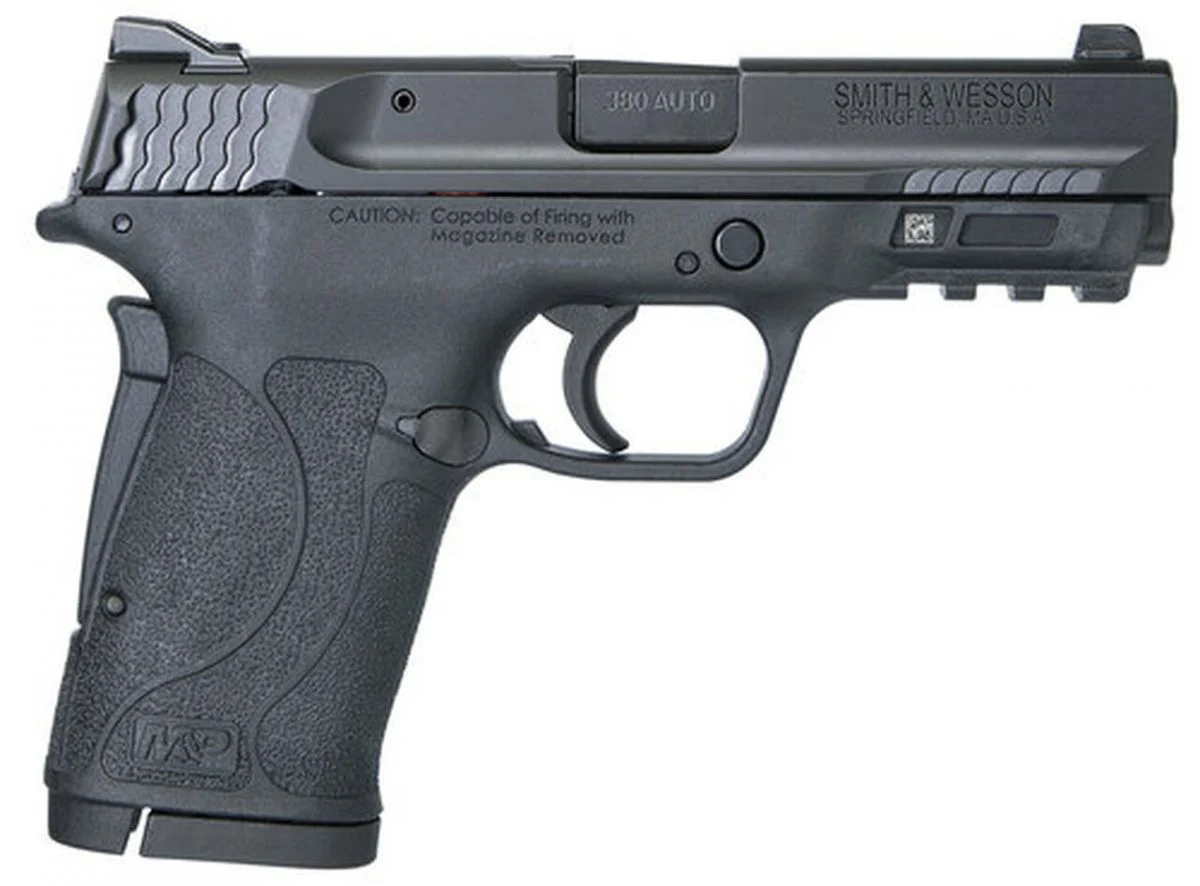
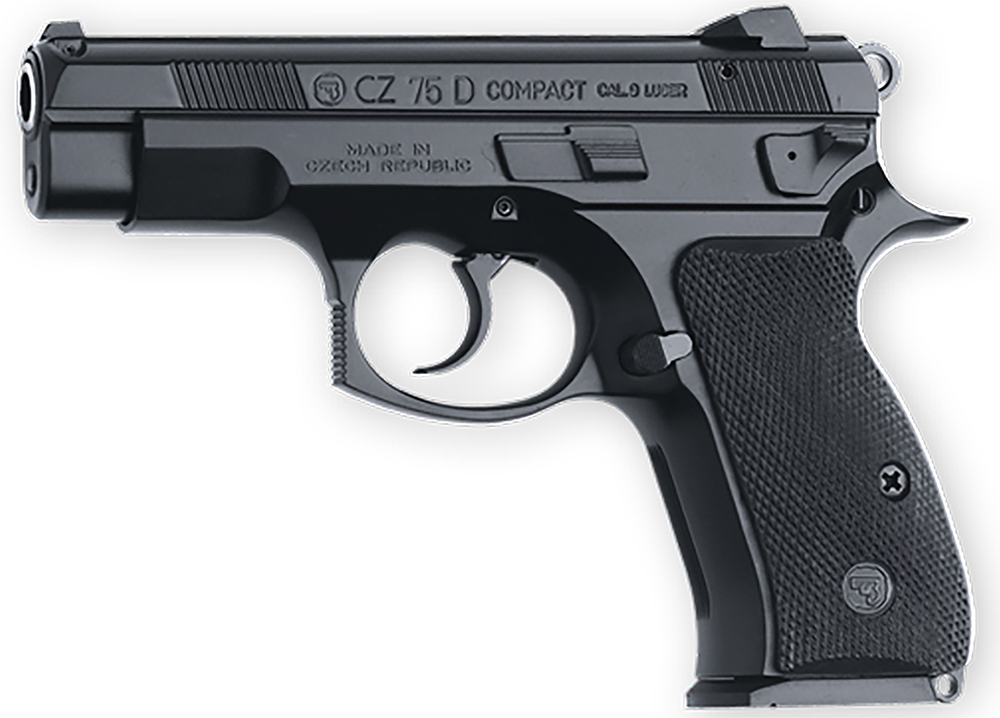
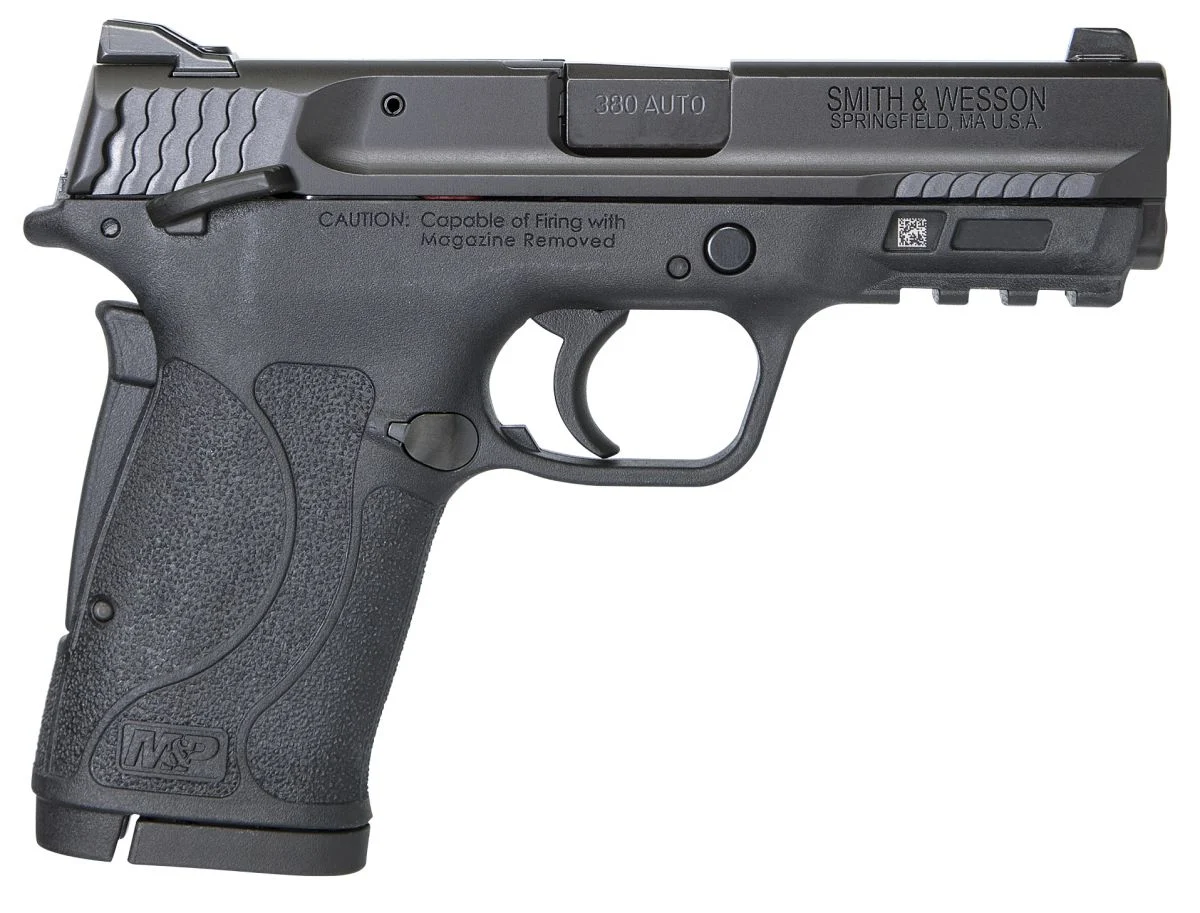
Once you have your license, choosing a holster, a reliable handgun and quality defensive ammunition matters more than any single feature. Browse compact and full-size pistols in our shop, pick a Pennsylvania FFL near you on our local gun shop pages, and read our Pennsylvania gun law overview for the buying process. If home protection is your main goal, our home defense guide covers storage and planning.
Quick checklist
- Confirm you are 21 or older and not prohibited.
- Find your county sheriff's LTCF page, or the Philadelphia Police Gun Permits Unit if you live in the city.
- Gather photo ID and any references or documents your sheriff's office asks for.
- Bring about $20, and check which payment methods the office accepts.
- Wait up to 45 days for a decision, and mark your calendar to renew in five years.
Fees and procedures can change. Confirm the details with your county sheriff before you go.
General information, not legal advice. Current as of September 2026. Laws change; check the official source before you act.